“The First World War was a war devoid of any virtue. It arose from the quagmire of European tribalism: a complex interplay of nation-state destinies overlaid by notions of cultural superiority peppered with racism.” -Paul Keating
Need To Know:
The Museum is one part of a large complex which consists of several forts, villages that died for France, a World War 1 cemetery and ossuary along with several other event locations. It is a short drive from the city of Verdun- which has a fascinating history and makes a great base for exploring the region. Other than snacks at gift shops- there is no food available. The drive back to Verdun is just long enough to make returning to town for lunch and then going back to finish difficult- far easier to pack a picnic lunch. The sites can be seen in one day; however, watch your time as some venues close earlier than others. The sites are well signed along the roads in the complex.
NOTE: the Museum is popular for school visits- it is sometimes easiest to give them a few minutes to move further into the museum before beginning your visit.
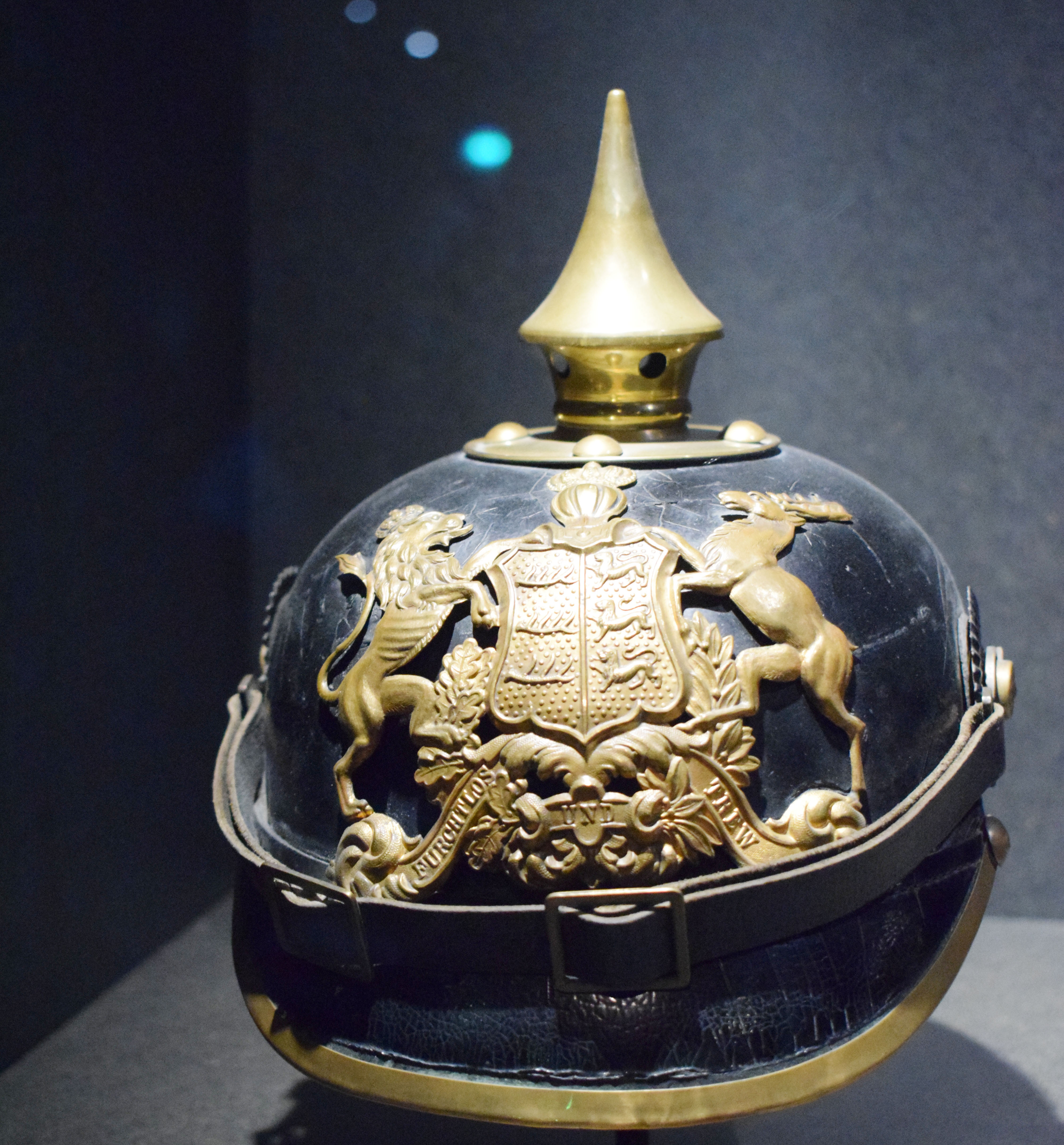
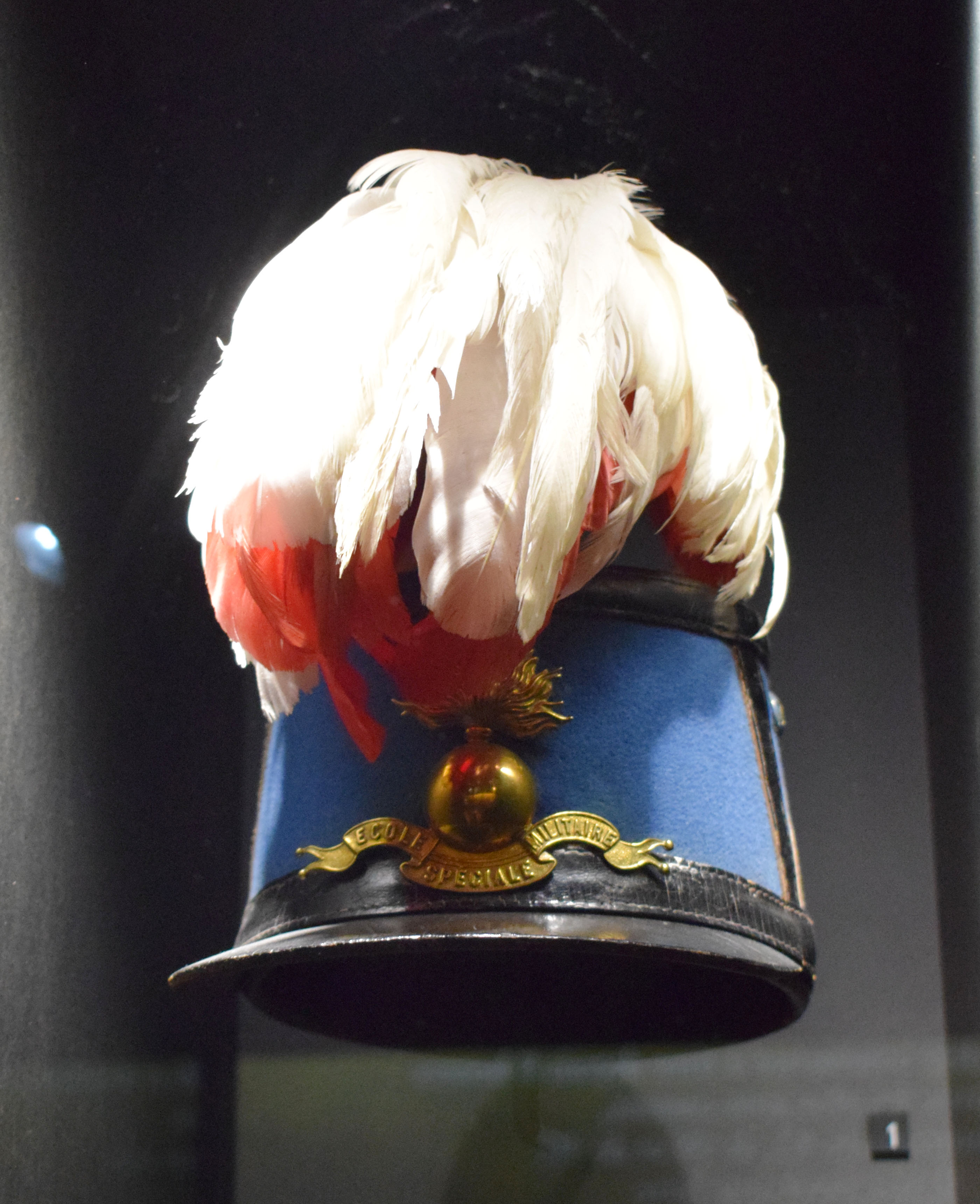
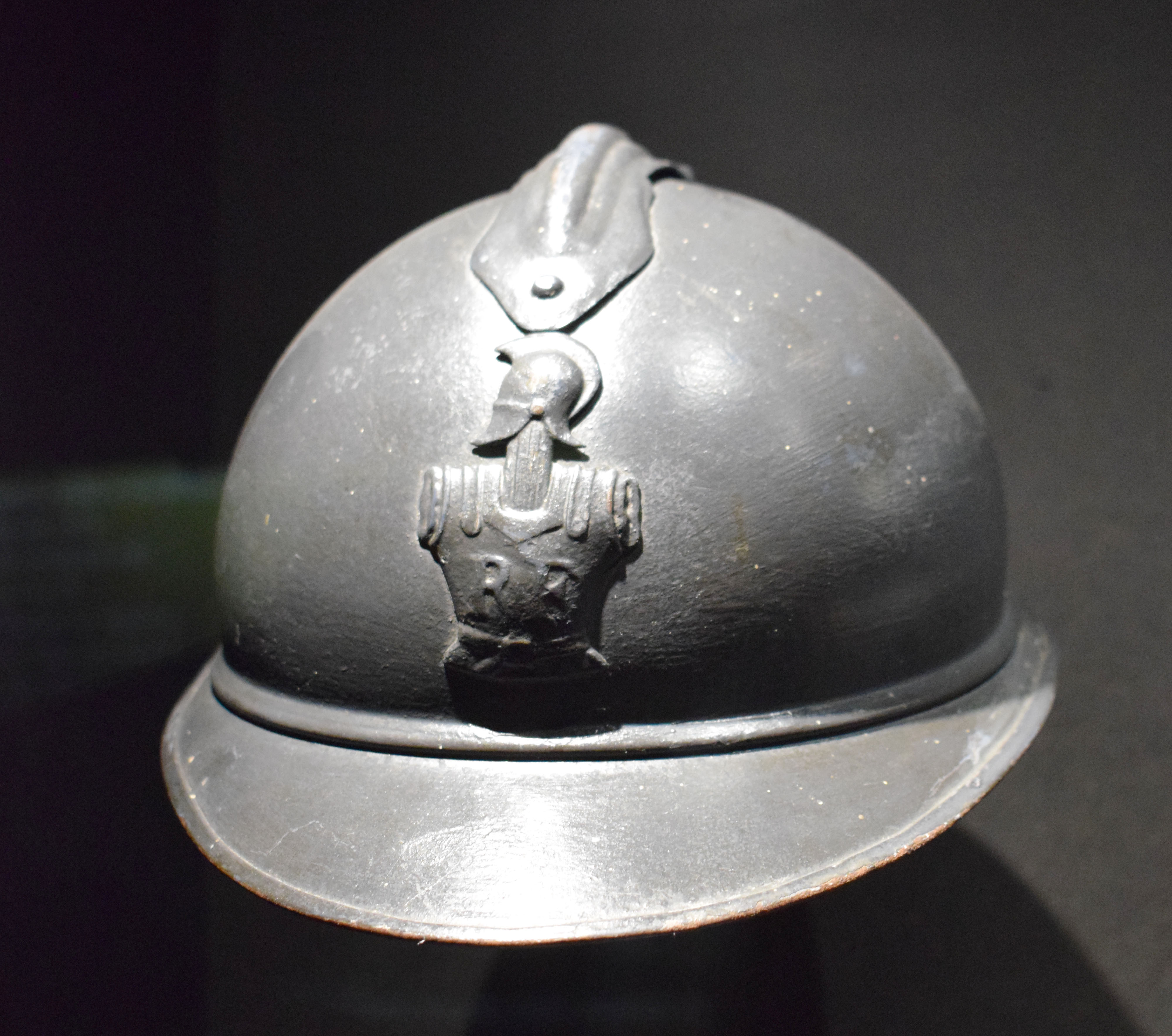
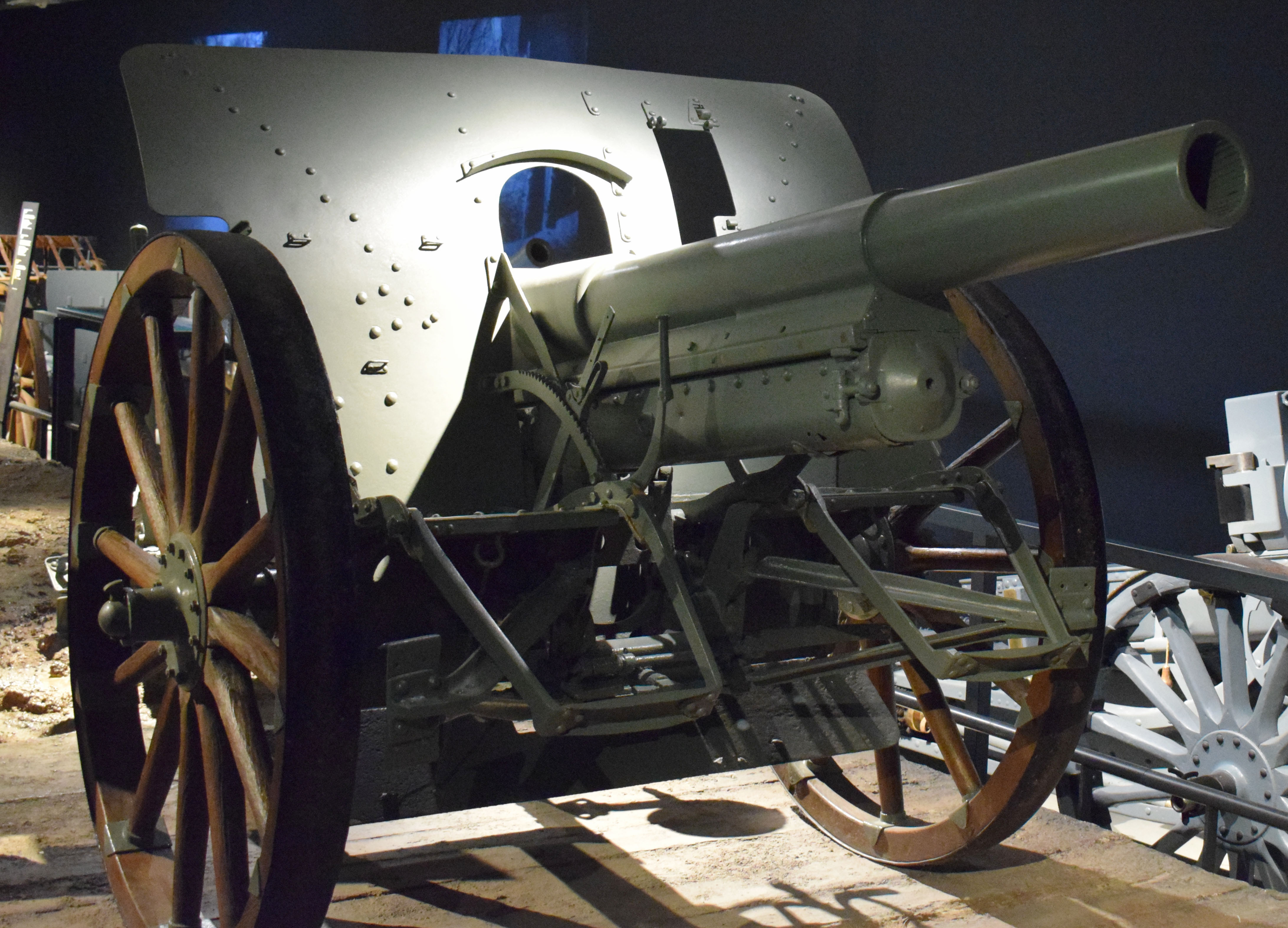
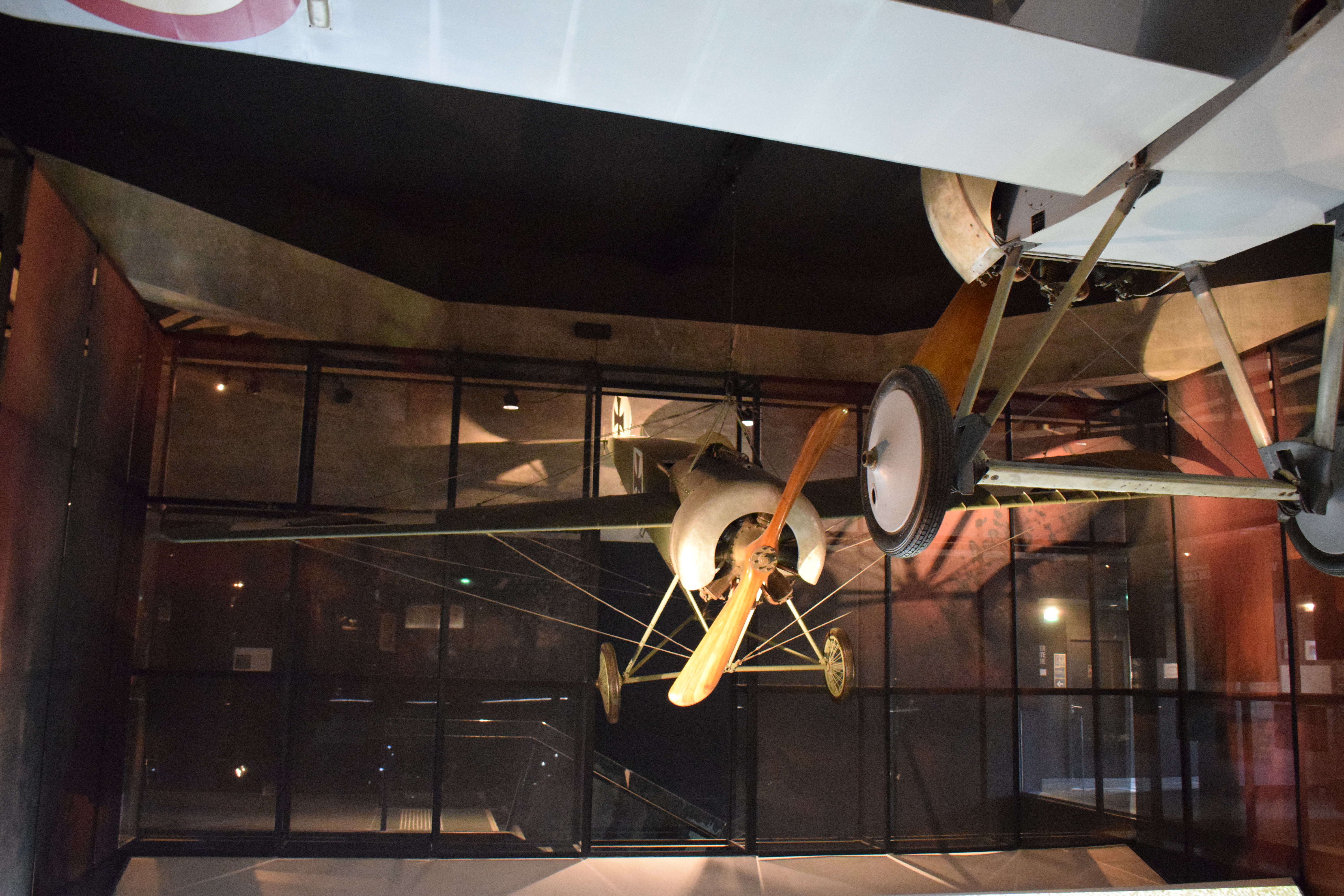
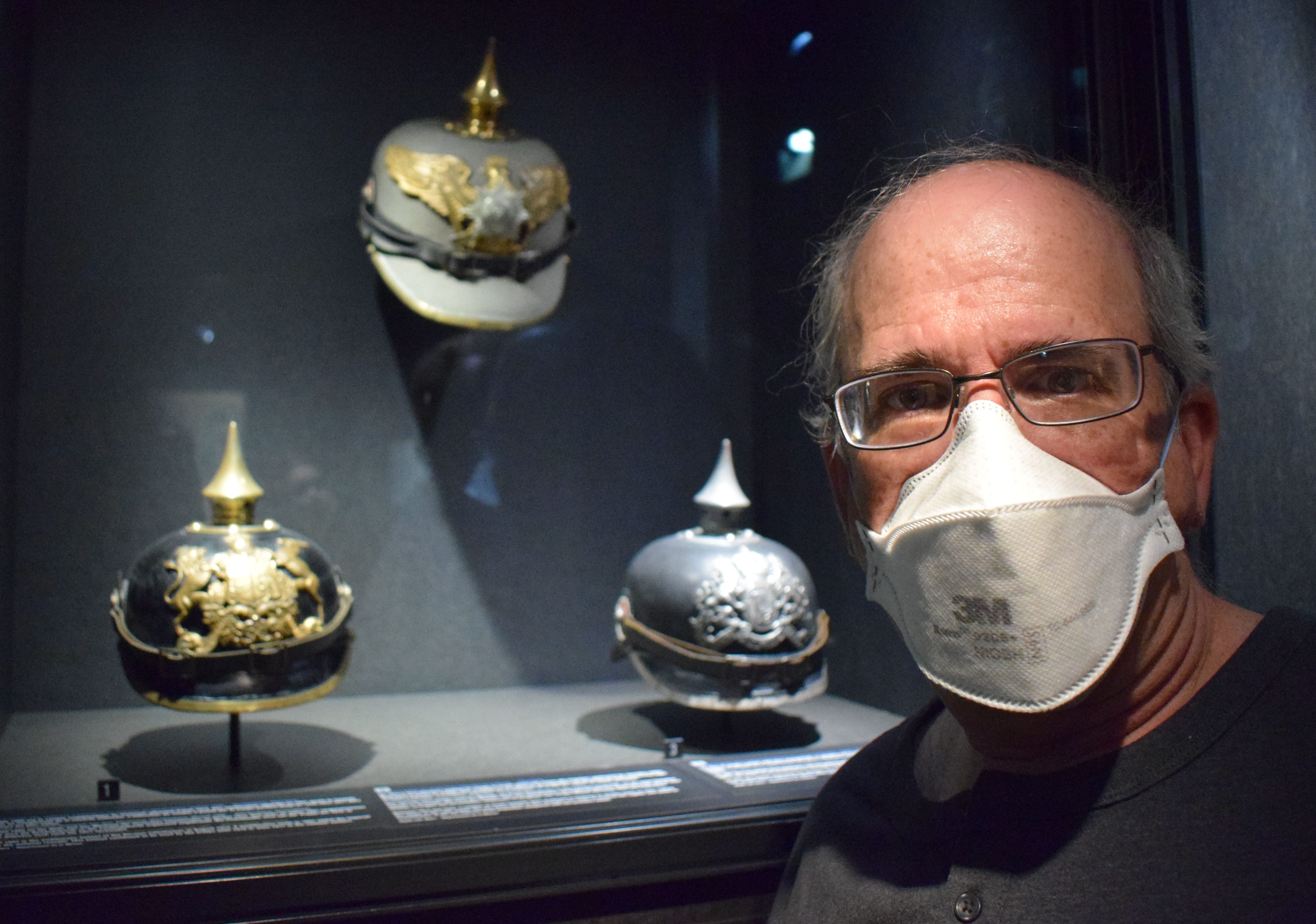
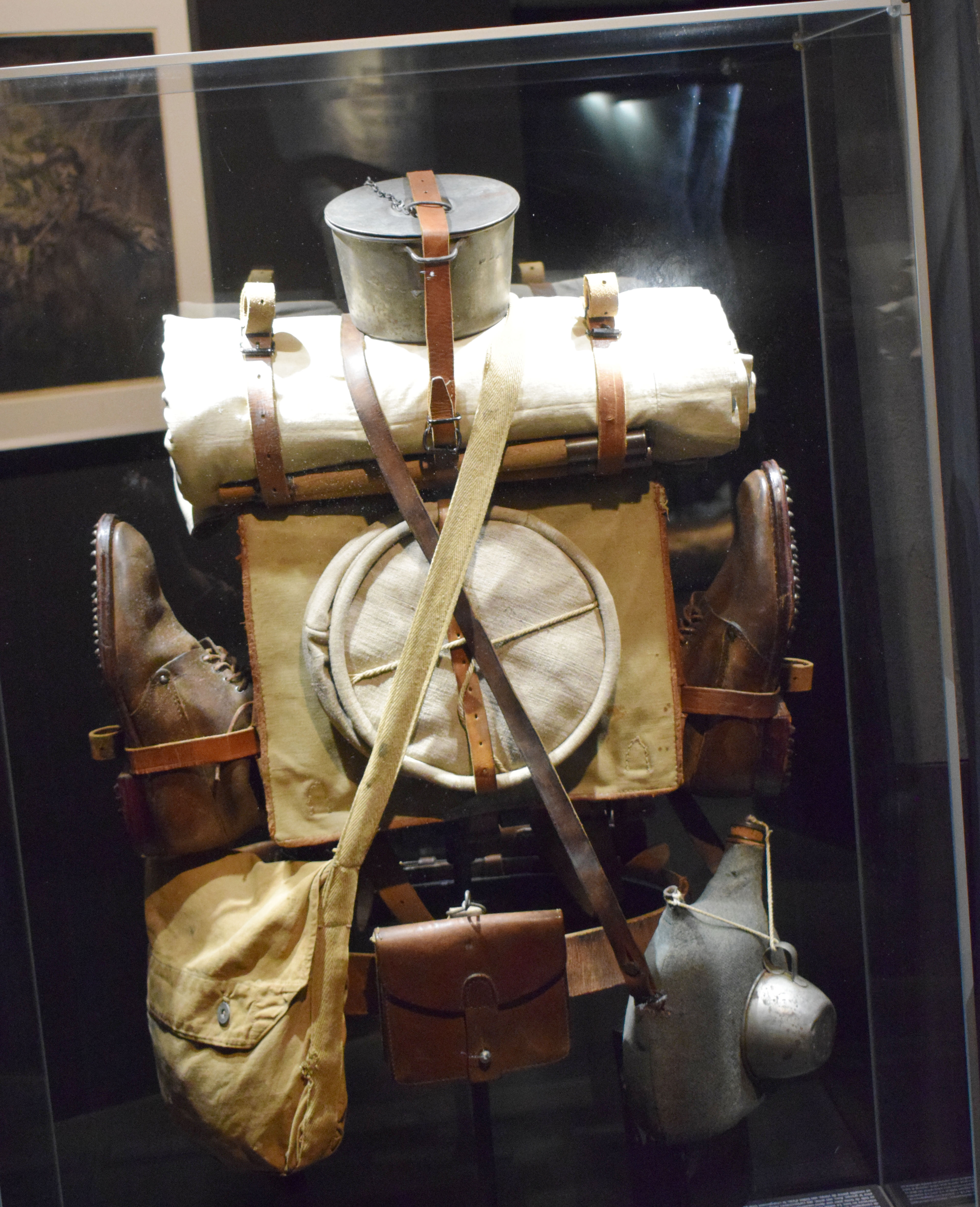
The Museum houses a unique collection and provides audiovisual devices to help the visitor understand the complexities of World War I as well as French and German Military life on the Verdun Battlefield.
9:30 a.m. to 6:30 p.m. – open on public holidays1, avenue du Corps européen
BP 60048 – Fleury-devant-Douaumont
55101 Verdun Cedex–Free Onsite ParkingT. +33 (0)3 29 88 19 16
info@memorial-verdun.frTICKETS: Tickets can be purchased for individual attractions or a combination ticket for the museum and the forts. Special event tickets can also be purchased.
How To Tour:
World War I is complex- it pays to take some time before your visit to learn about the conflict, the warfare, solutions, and its relationship to World War II. It is always best to begin at the Museum to gain a better understanding.
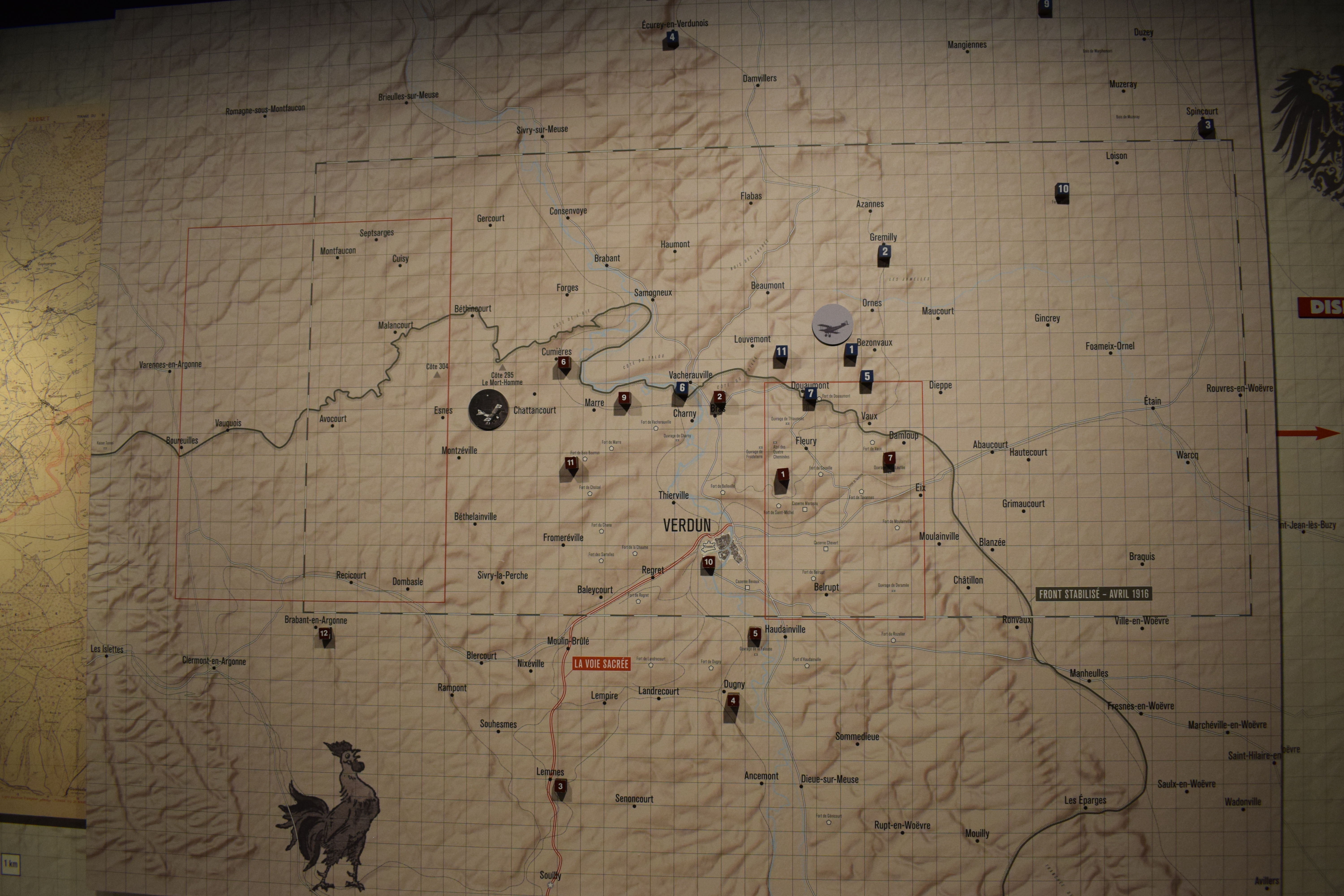
The Battle of Verdun- Overview
\The Battle of Verdun took place from February 21 to December 18, 1916, on the heights north of the city of Verdun. During these ten months, the French and German armies fought. It was one of the longest, bloodiest, and most-ferocious battles of the war; French casualties amounted to about 400,000, German casualties to about 350,000. Some 300,000 soldiers were killed. The scale, coupled with the violence, of these clashes epitomizes the First World War in all its aspects. These events have made Verdun a place of remembrance.
Ground floor is dedicated to the experience of the French and German frontline soldiers. A crypt takes the visitor into the fragile personal space of a soldier under heavy gunfire.
NOTE: Beneath the angular central battlefield projection is a room referred to as the “crypt” . At ground level, and only visible if you crouch down, is a recreation of what the battlefield looked like in no man’s land. The term “crypt” becomes more fitting here because the display also includes a couple of recreations of semi-decomposed dead soldiers lying in the mud between broken pieces of wood, empty shells, barbed wire and other debris. This is by far the grimmest and darkest part of the museum.
First Floor: geopolitical contextual displays.
Second Floor: introduces the visitor to the aviators, gunners and military staff involved in the battle, as well as life immediately behind the lines, where the medics worked tirelessly.
MUST SEE ITEMS:
“War Comrade” horse plaque
Engraved stone, an example of German trench art
German gravestone
Steel helmet (Stahlhelm), model 1916
German Maxim light machine gun, MG 08/15
German shell
Louis Pergaud’s trunk
Triage tag for a wounded German soldier
Cockerel from the belltower in Fleury
Militärpass, German military service book
Orders in the trenches
Trench boots
Sappenpanzer
Mud by Alphonse Prévost
The Ramel diorama
“À ma petite Ghislaine” games by Charles Grauss
Pair of carved cartridges, Antoine and Andrée
Review:
This museum is extremely well done. The information is presented clearly via multiple languages. The displays bring the conflict into reality and conveys the difficulties, and horrors of World War I. It is worth the time and the expense. The information provided enriches the visit to other areas in the complex.
 Onward Trip