“All that recalls the past in whatever form or intention leads the memory back towards those terrible years that must never be unlearned”
— A reflection on the landscape of the destroyed village.
France’s Destroyed Villages
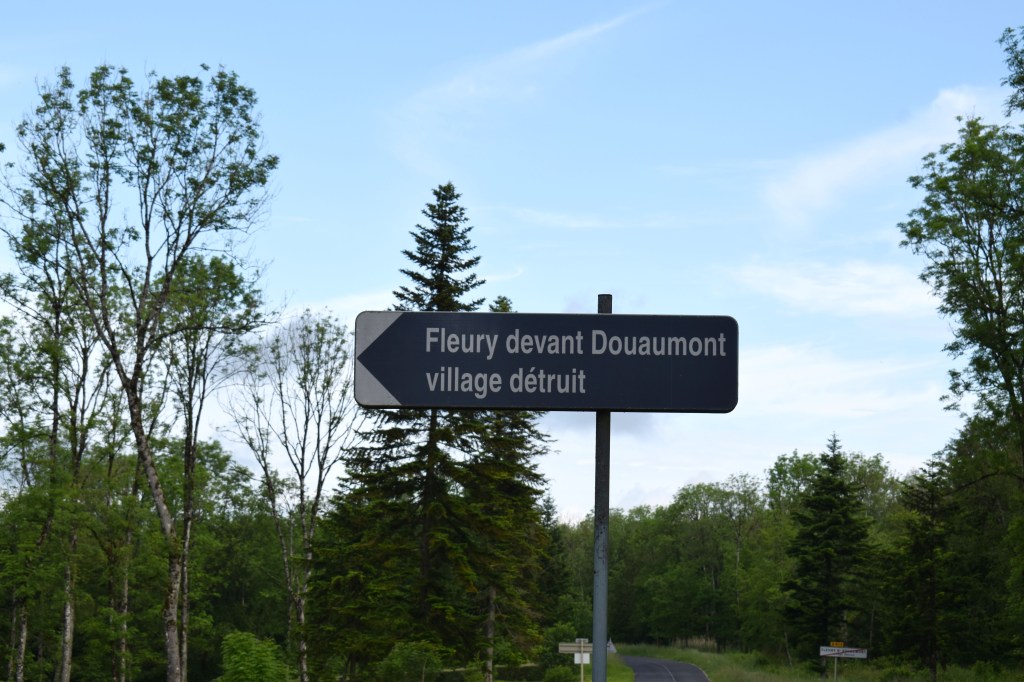
There are 9 villages that were so damaged and destroyed that it was impossible for these communities to be rebuilt. Contamination from chemicals, undetonated munitions, and shards of bullets, mines, cannonballs etc litter the grounds. Fleury devant Douamont is one of these villages that is located a short drive from the Verdun Memorial.
Location:
Located between Fort Vaux and Fort Duoaumont. A short drive from the Douamont Ossary.
Hours/Admission:
There are no defined hours or admission fees- it is an open air exploration. It is highly recommended that visitors stay on the path as there may be unexploded munitions.
The Story:
Fleury played a role in World War I’s- Battle of Verdun. The town was captured between the Germans and French at least sixteen times. Prior to the war, Fleury as a small hamlet with a population of 422 people who primarily worked in cereal farming and wood working. In 1914, the town was traversed by numerous soldiers moving to the Woevre Plain (Battle of Marne). The Battle of Verdun, the longest battle of World War I, was fought from February 21 to December 18, 1916. Fleury was evacuated shortly after German forces attacked to Verdun and Bras-sur-Meuse. The Germans took control of Fort Douamont three days later. In 1918, it was declared as “village that died for France.” German Historians, Hannes Heer and Klaus Naumann, have calculated that the French suffered 377,231 casualties, Germans 337,000, for a total of 714,231 causalities. This averaged 70,000 a month. Their work validate the 2014 findings of William Philpott. He determined 714,000 casualties suffered by both sides during the Battle of Verdun in 1916 with an additional 1,250,000 casualties suffered in the vicinity of Verdun in the war. The battle came to represent the determination of the French Army and a world reminder of the destruction wrought by war.
What to See:
Building Sites– wander the streets. Various buildings are labeled to help create a picture of the town. For a “map” of the town- study the Dove of Peace sculpture.
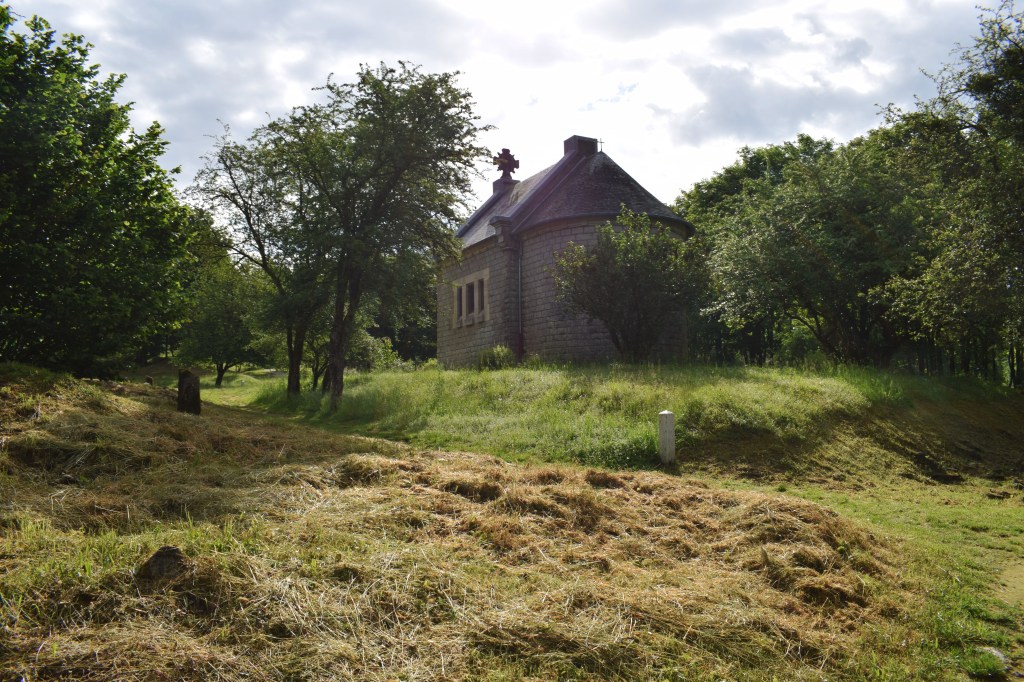
War Memorial was constructed by the villagers in the 1930s. It is located in the upper section of the site. The current remembrance chapel, Our lady of Europe, was established in 1979 on the site of the old church. The chapel serves to recognize the the reconciliation of nations and the memories of the soldiers who fought.
In 2013, German tourists discovered human bones in a crater located near the chapel. The farm that once stood on this spot had been transformed into an advanced dressing station during the war. A total of 26 French soldiers, who died from their injuries, were placed in the building’s basement when the building was destroyed by a German bomb. Eventually, 7 men were able to be identified through their military tags, and descendants were located for three.
Dove of Peace ,a sculpture, designed in a concrete, symbolically represents the original lay-out of the village, and embedded stones mark the location of the houses.
Review:
Fleury devant Douaumont is a must visit stop for everyone. It is a powerful symbol of the horror and destruction of war. The land is so thoroughly pockmarked by cannonballs. Its grounds have been overwhelmed by chemicals, unexploded munitions, corpses, etc that it is has forever changed the soil composition from a rich agricultural base to a gritty, solid composition. As you wander the streets, you can’t help but think about the lives that were uprooted, young men being sent off to war, the injured seeking help despite the constant rain of bombs- it emphasizes the atrocities of war and the importance of never engaging in war.
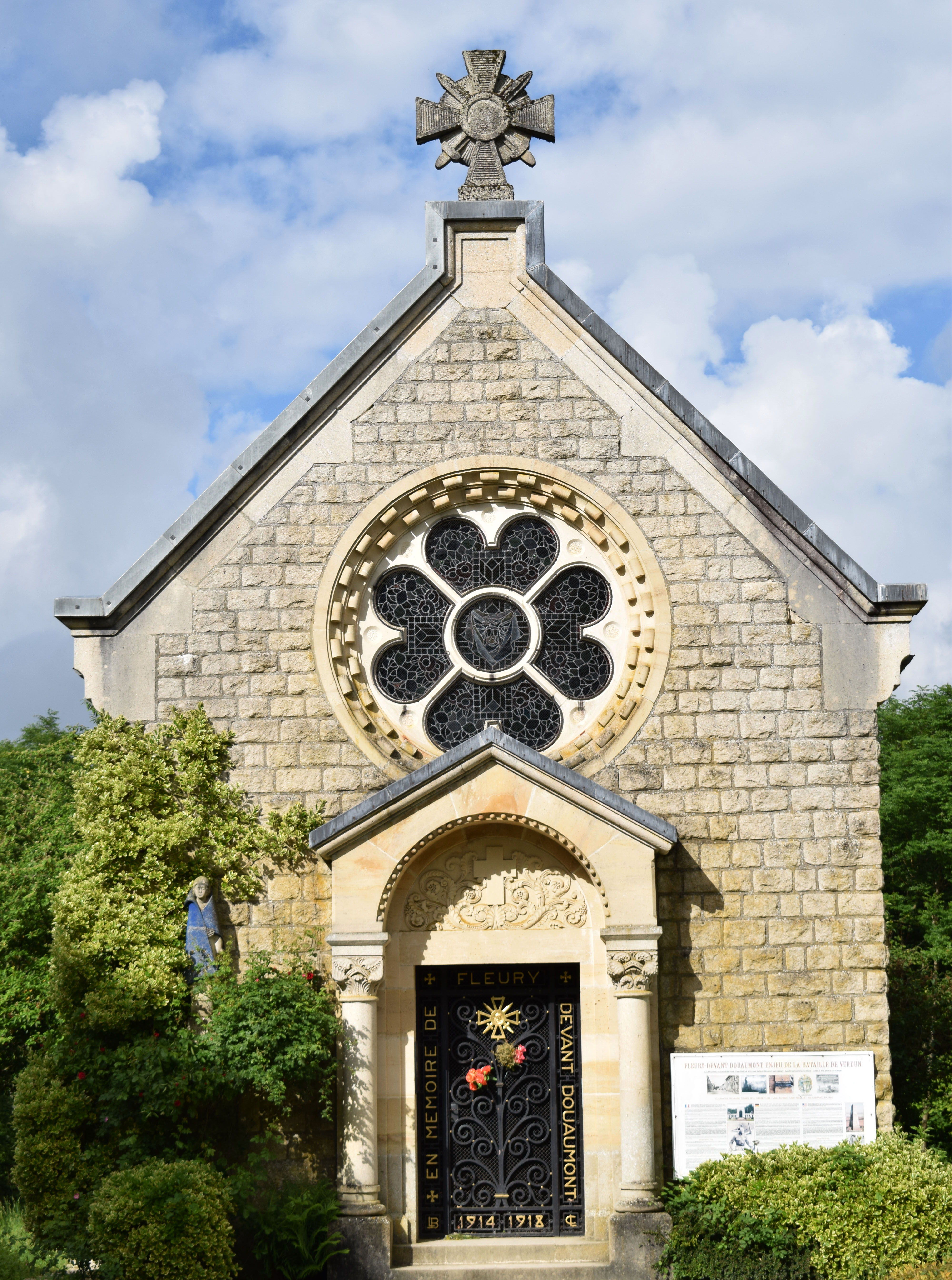
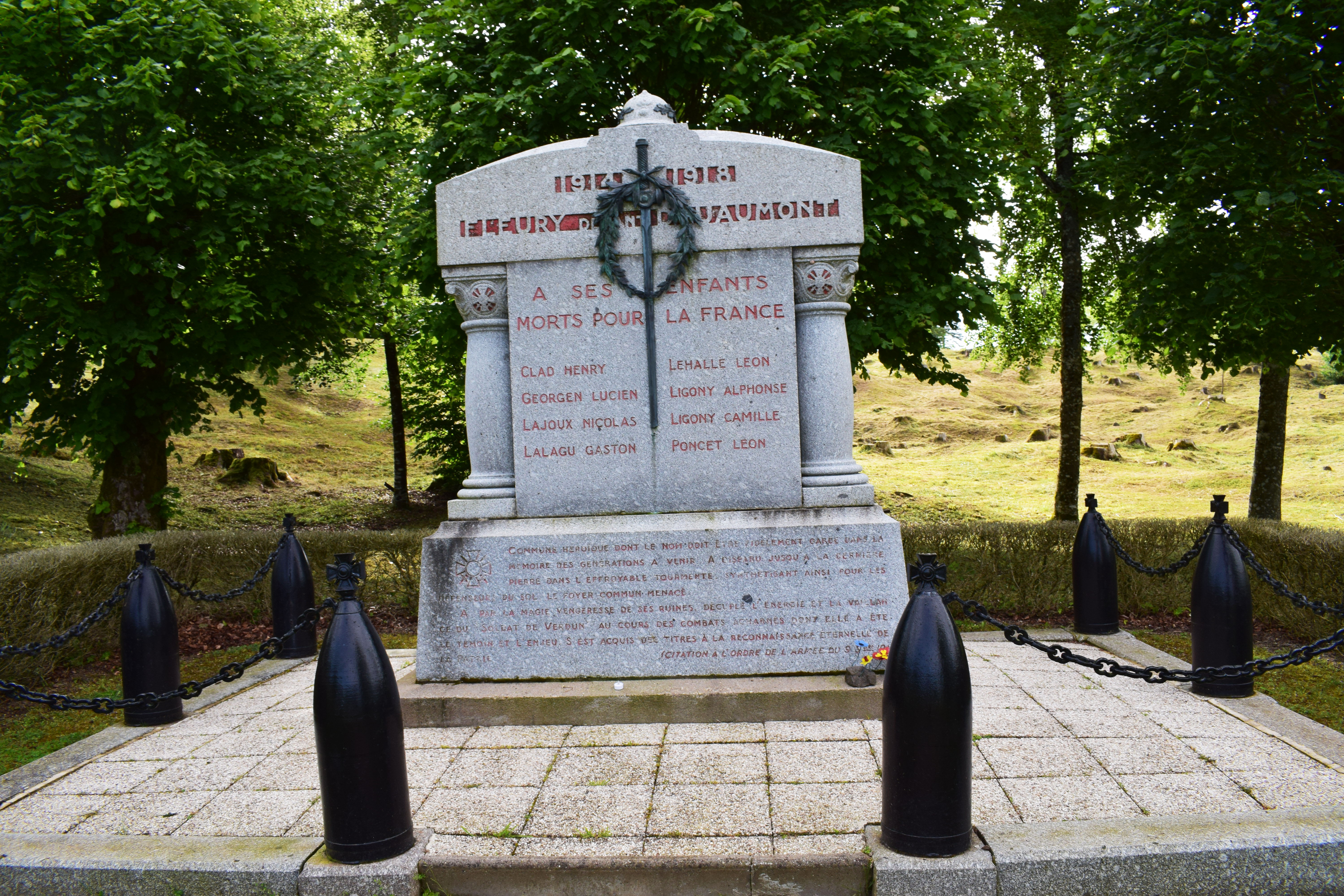
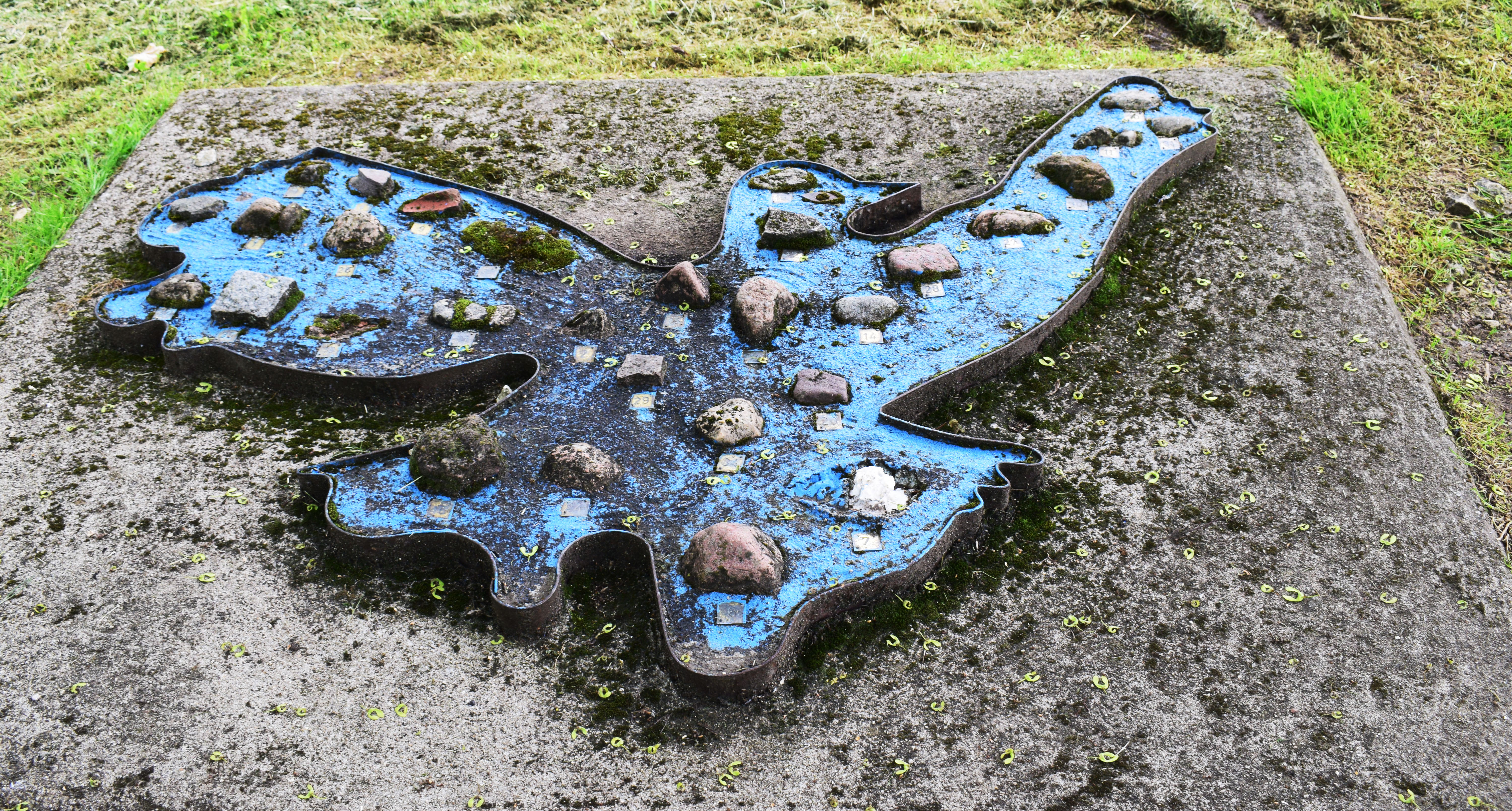
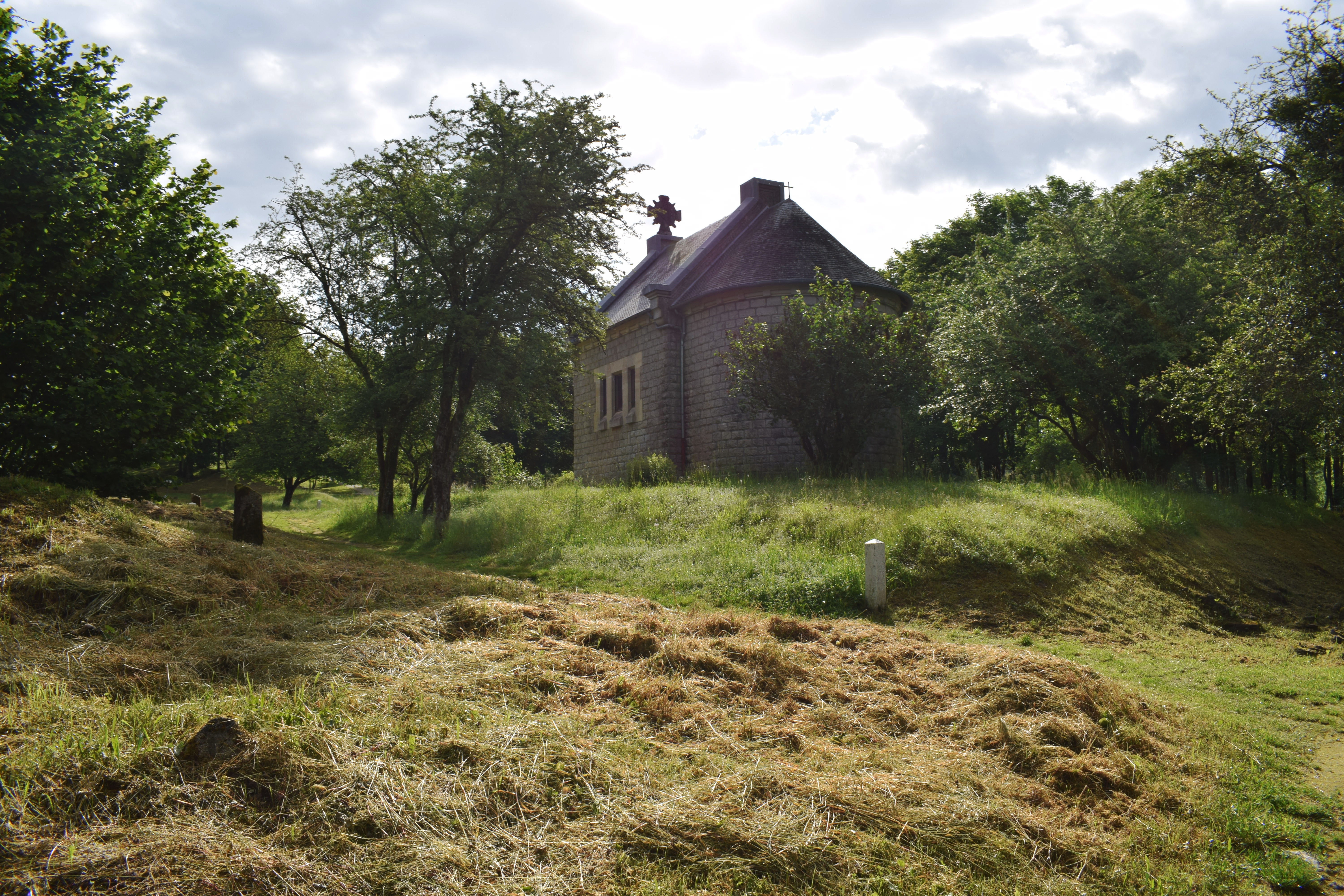
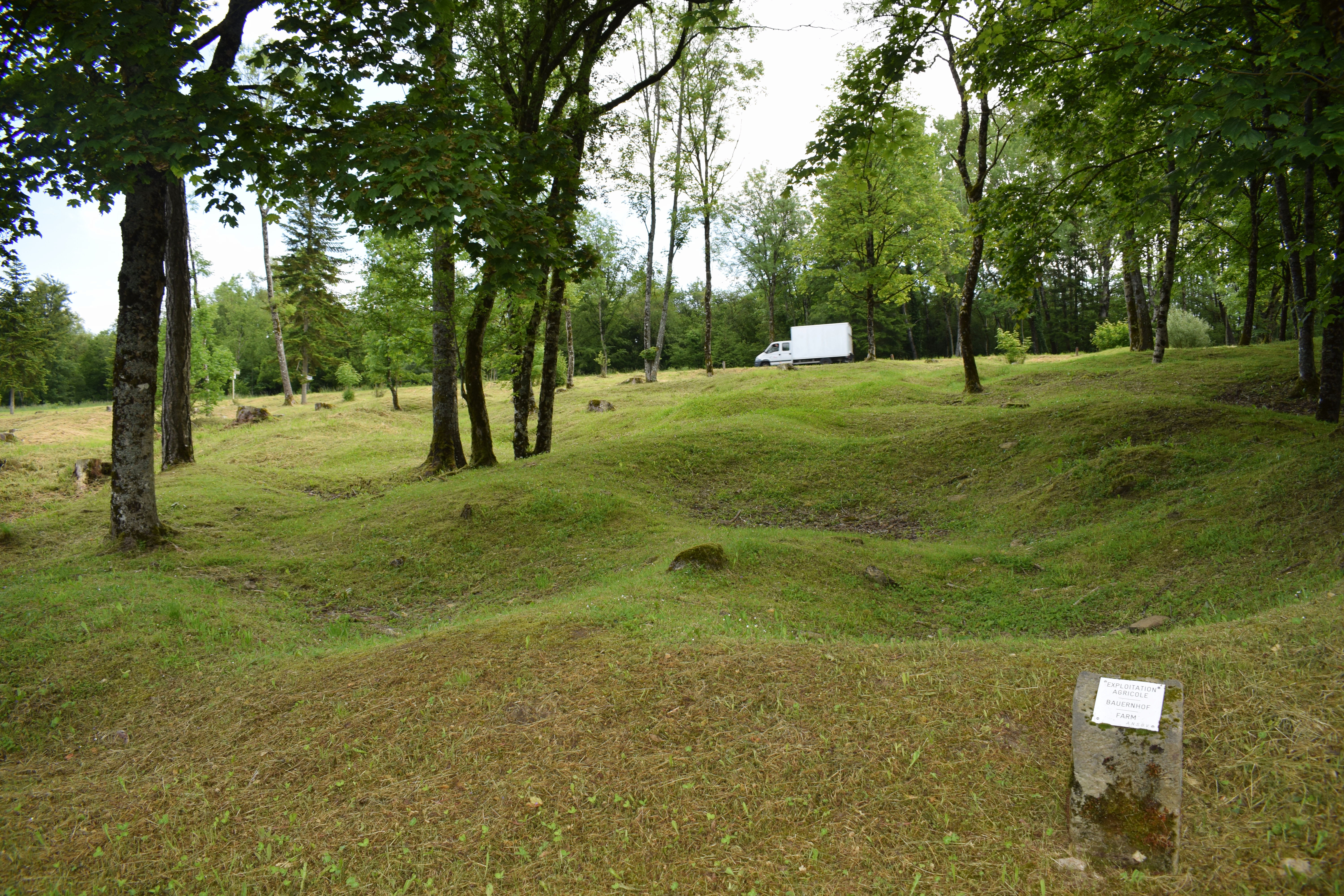
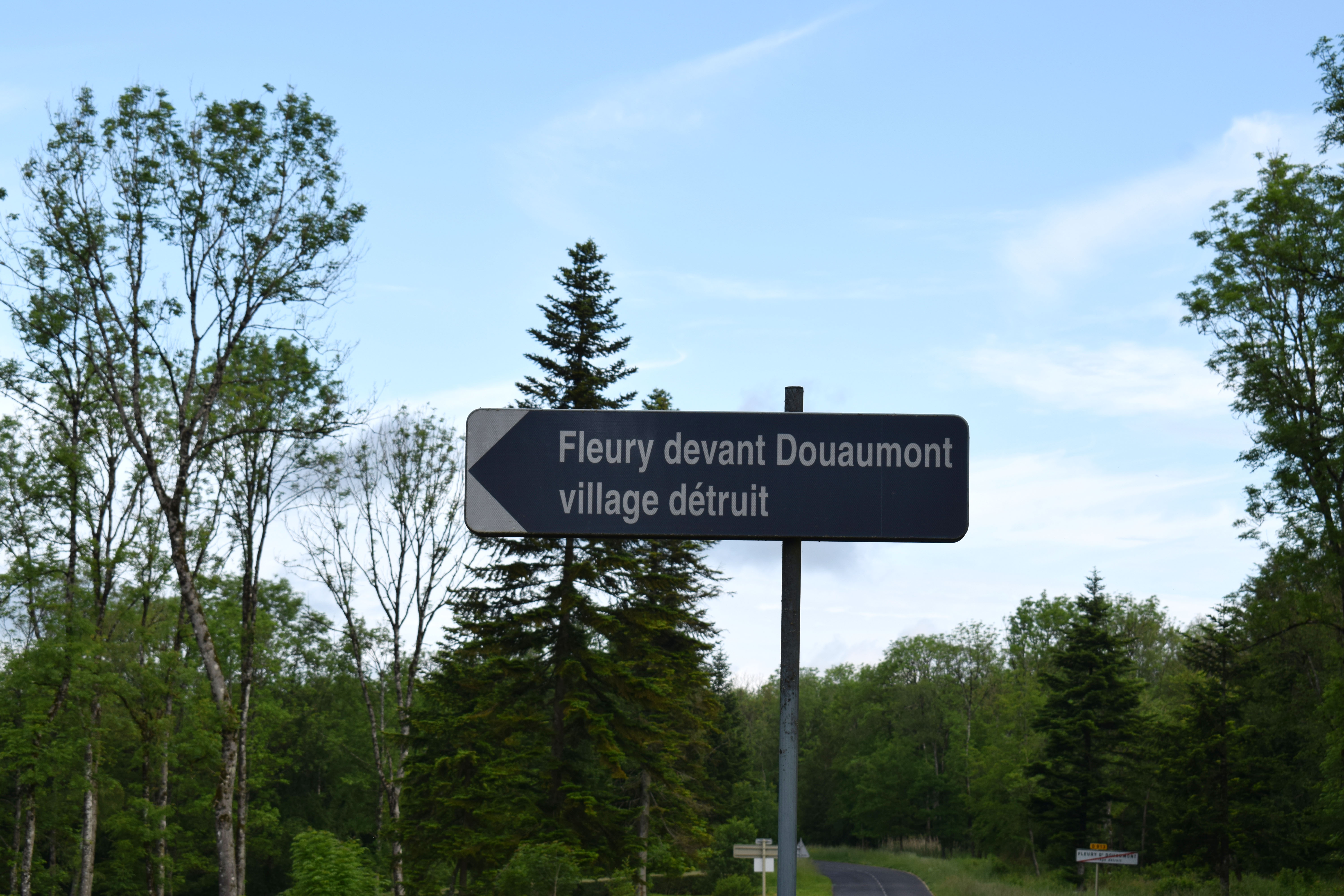
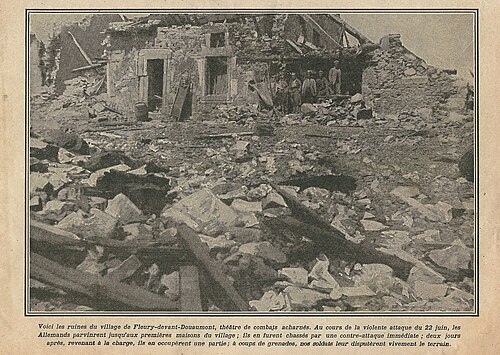
Photo from Fleury-devant-Douaumont in June 1916
 Onward Trip